
Building the Future: The Rise of Innovative Materials in Construction
In an industry long associated with steel, glass, and concrete, a quiet revolution is taking place. From algae-infused bricks to mycelium panels, a new generation of bio-based, low-carbon building materials is redefining what’s possible in the built environment. For forward-thinking construction professionals, this innovation wave presents not just environmental opportunities, but strategic advantages.

Why materials innovation matters now
Construction and infrastructure account for nearly 40% of global carbon emissions, with a significant portion coming from embodied carbon – the emissions locked into materials before a building is even used. As governments and clients set net-zero targets, the pressure to reduce emissions throughout the supply chain is intensifying. For contractors, consultants, and developers alike, this opens the door to materials that are not just less harmful – but actively beneficial.
What’s emerging: a snapshot of bio-based innovation
1. Algae and Microbial Bricks
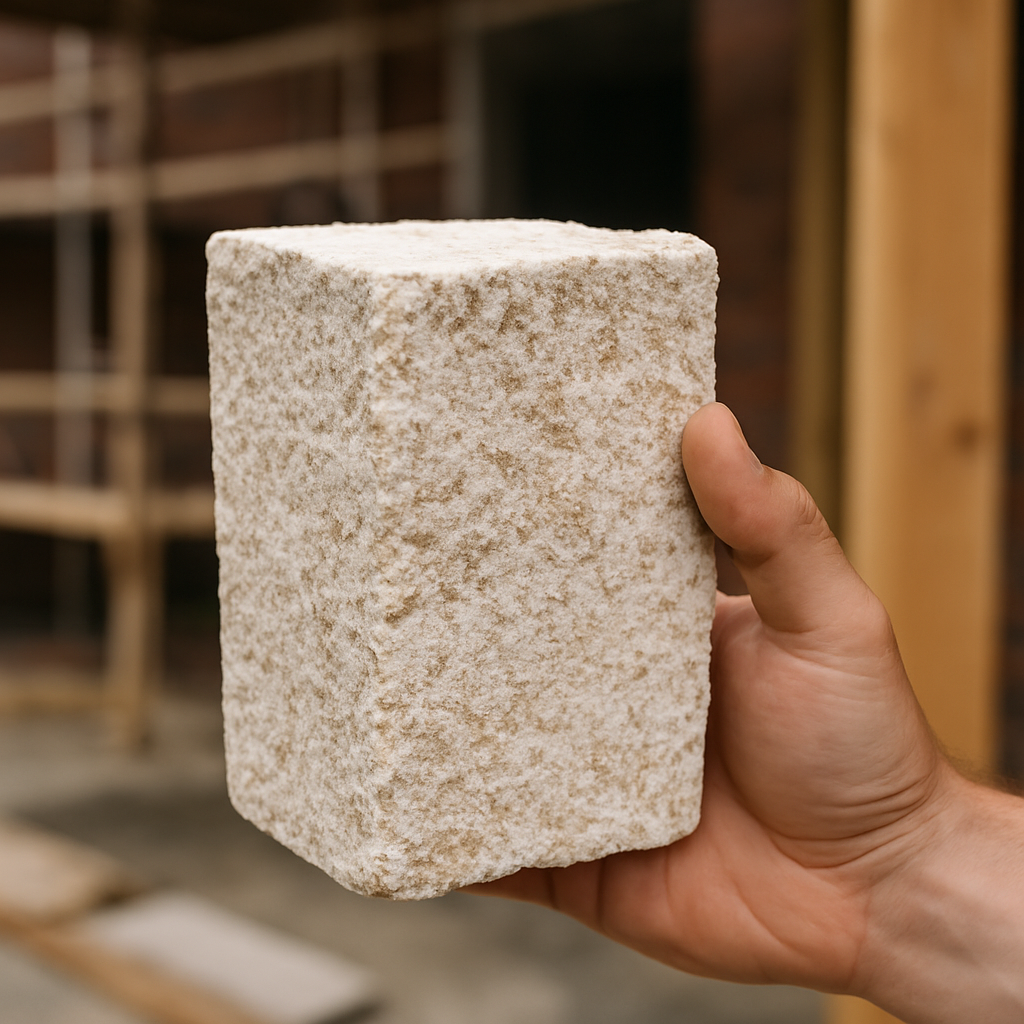
Australian researchers are leading experiments in creating bricks from microalgae and cyanobacteria. These ‘living materials’ can absorb CO₂ from the atmosphere even after installation. Unlike traditional concrete, they require minimal firing or cement, drastically reducing energy use. Read more in The Guardian or Time
2. Mycelium Panels
Grown from fungal roots, mycelium-based composites are lightweight, strong, and naturally fire-retardant. They biodegrade at end-of-life and require no toxic chemicals in production. Firms like Ecovative and BIOHM are developing scalable solutions suitable for insulation and partitioning. Read more
3. Seaweed and Shell Blocks
In coastal regions, innovators are converting seaweed and discarded oyster shells into building blocks that are both durable and circular. These materials not only make use of waste but require little energy to produce, providing a powerful alternative in eco-conscious developments.
4. Straw, Hempcrete, and Bamboo
While less exotic, these ‘heritage meets modernity’ materials are gaining fresh momentum thanks to digital fabrication and improved standards. Hempcrete, in particular, is prized for its thermal regulation and carbon sequestration potential.
Current limitations and what to watch for
While promising, these materials are not without their challenges:
- Standardisation and regulation are still catching up. Many countries lack clear building codes or certification schemes for emerging materials.
- Supply chains for algae, fungi, or agricultural byproducts are not yet established at scale.
- Cost remains a barrier – though early adopters may benefit from grants, PR value, or client premiums for sustainable builds.
Still, the trajectory is clear: materials that sequester carbon, reuse waste, or reduce embodied energy will become central to the future of construction.
Strategic opportunities for built environment professionals
For those in construction, architecture, and engineering, these shifts offer more than technical tweaks – they present strategic positioning opportunities:
- Win future tenders by embedding innovative, sustainable materials into bids for government or net-zero projects.
- Upskill teams on circular construction methods and sustainable sourcing to stay ahead of regulatory shifts.
- Partner with universities or start-ups to pilot new materials in demonstration buildings or small-scale developments.
- Rethink traditional supply chains and procurement processes to include bio-material sourcing and lifecycle planning.
Looking ahead: what could your next project be made of?
The materials we use shape not just buildings, but the impact we leave behind. With innovative bio-based and circular materials now moving from lab to site, the question is no longer if the industry will adapt – but how soon you’re willing to lead.
Construction may be rooted in tradition, but its future will be grown, not quarried.